For years, couples planning a destination wedding often looked towards the vineyards of Tuscany, the beaches of Greece or the villas of the South of France. Today, India is increasingly finding its place on that global map—not only for Indian families living overseas, but also for couples drawn to its extraordinary settings, cultural richness and ability to turn a wedding into a complete experience.
India offers something few destinations can match: remarkable variety within a single country. A wedding can unfold in a centuries-old palace, beside the Arabian Sea, amid the Himalayan foothills, in a tropical garden or within a modern city hotel. Add to this the warmth of Indian hospitality, exceptional creative talent and a culture in which celebrations are understood instinctively, and India becomes far more than a beautiful wedding backdrop.
It becomes part of the story.
One country, many distinct wedding destinations
Perhaps India’s greatest advantage is its diversity. Couples do not have to choose between history, nature, culture and luxury; they can often find several of these qualities within the same destination.
Rajasthan offers forts, palaces, desert landscapes and a sense of old-world grandeur. Goa combines beaches, tropical greenery and a relaxed social atmosphere. Kerala brings backwaters, heritage properties and lush natural beauty. The Himalayan regions offer mountain views and intimate retreats, while metropolitan cities such as Delhi, Mumbai and Hyderabad provide grand hotels, excellent connectivity and highly developed event infrastructure.
There are also lesser-explored possibilities—from vineyard celebrations and forest retreats to restored havelis and private estates. This variety allows couples to select a setting that reflects their personality rather than adapting their wedding to a standard destination format.
Weddings that feel culturally immersive
Globally all couples are increasingly seeking experiences that offer a genuine connection to place. India provides that sense of immersion naturally.
A destination wedding here can introduce guests to regional cuisine, architecture, music, textiles, crafts and performance traditions. A welcome evening in Rajasthan might include local folk musicians and food inspired by the region. A celebration in Goa may draw from its Indo-Portuguese character. A wedding in Kerala could incorporate local flowers, flavours and traditional artistic forms.
These elements need not turn the wedding into a theme. When approached with sensitivity, they create an atmosphere that feels rooted in its surroundings. Guests do not simply attend a series of functions; they experience a destination through the celebration.
For couples with Indian heritage who live abroad, this cultural dimension can feel especially meaningful. The wedding becomes an opportunity to reconnect with traditions, introduce international friends to India and bring multiple generations together in a setting that feels both celebratory and personal.
The scale and energy of Indian celebrations
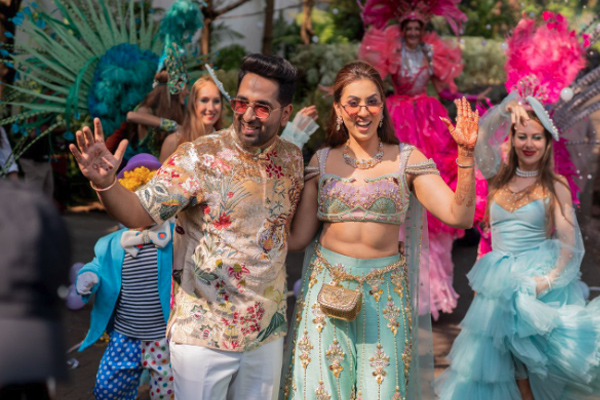
India understands weddings in a way that few places do. Multi-day celebrations, large guest movements, elaborate ceremonies and constantly changing event formats are not unusual here—they are part of the country’s wedding language.
Hotels, planners, caterers, designers, production teams and entertainers are accustomed to coordinating complex celebrations across several days. A property may transform from an elegant welcome dinner to a colourful mehendi, a traditional ceremony and a high-energy reception, with each event possessing a completely different identity.
This depth of experience is valuable for international couples, particularly those planning multicultural or multi-event weddings. They can create celebrations with scale and spectacle while still maintaining warmth, detail and personalisation.
World-class hotels and heritage properties
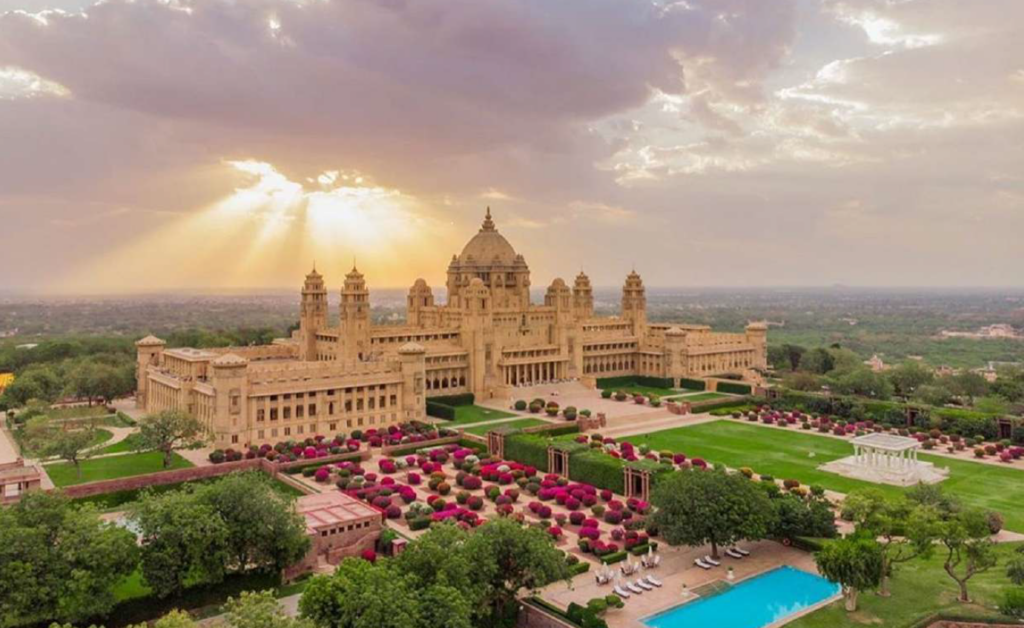
India’s hospitality landscape is another important reason for its growing appeal. The country offers globally recognised luxury hotel brands alongside historic palaces, restored forts, boutique resorts and privately managed estates.
Many of these properties provide more than accommodation and event spaces. Their architecture, gardens, courtyards, terraces and views become an integral part of the wedding design. A palace reflected in a lake or a ceremony framed by mountains creates an emotional sense of place that cannot be replicated inside a conventional ballroom.
Indian hospitality also brings a particular warmth to the guest experience. From personalised room amenities to thoughtful dining and attentive service, the focus is often on making guests feel welcomed rather than simply accommodated.
Exceptional creative and production talent
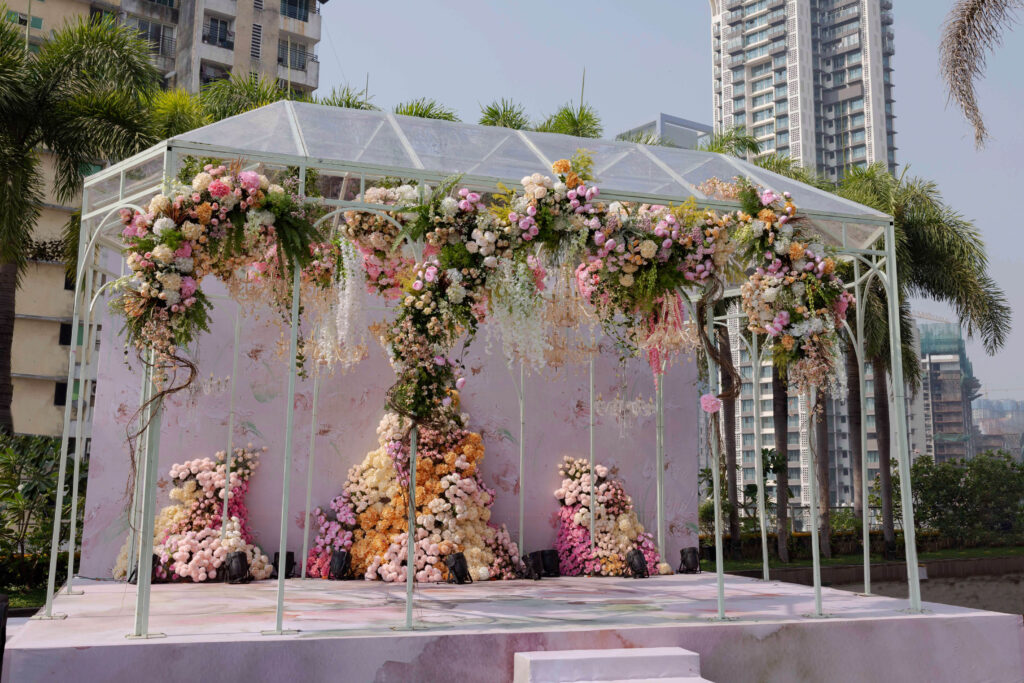
India’s wedding industry includes planners, designers, florists, chefs, artists, photographers, filmmakers, stylists, choreographers and production specialists capable of delivering celebrations at an international level.
More importantly, these teams are used to interpreting a wide range of cultural and creative briefs. They understand traditional Indian ceremonies as well as contemporary global aesthetics. They can work with heritage architecture, beachfront locations, complex entertainment setups and large-scale temporary structures—often within the same wedding.
This allows international couples to create something highly bespoke. A celebration may be minimal and modern, deeply traditional, fashion-led, immersive or quietly intimate. India is not restricted to a single visual identity, and its creative community is increasingly comfortable collaborating with international vendors while managing the realities of local execution.
Greater value without compromising the experience
India is not automatically an inexpensive wedding destination, particularly when a celebration includes a landmark property, extensive production or exclusive venue use. Luxury weddings here can involve significant budgets.
However, India can offer compelling value when compared with several established international wedding destinations. Couples may be able to create a richer programme of events, offer more personalised hospitality or commission bespoke design and craftsmanship at a level that would be considerably more expensive elsewhere.
The important distinction is between cost and value. India’s appeal is not that it allows couples to do everything cheaply. It is that the budget can often be translated into a more layered, generous and individual guest experience.

A destination wedding becomes a journey
For international guests, travelling to India can feel like an occasion in itself. The wedding may become the centrepiece of a longer itinerary that includes wildlife, wellness, food, architecture, shopping or a visit to another region.
A celebration in Jaipur can be paired with Delhi and Agra. Guests attending a wedding in Udaipur may extend their trip through Rajasthan. A Goa wedding can become part of a coastal holiday, while Kerala offers opportunities to combine the celebration with backwaters, beaches or wellness retreats.
This turns the wedding from a single event into a shared journey. Guests spend meaningful time together, experience a new part of the world and return with memories that extend far beyond the ceremony.
Improved access and global familiarity
India’s major cities are connected to international hubs across the Middle East, Europe, Asia and North America, while domestic flight networks make a wide range of destinations accessible. Better roads, airport upgrades and the growth of luxury hospitality beyond metropolitan centres have also expanded the possibilities for destination weddings.
At the same time, global audiences are increasingly familiar with Indian fashion, cuisine, cinema, music and design. Social media has made the country’s palaces, coastlines and celebrations visible to couples who may never previously have considered India for their wedding.
This combination of access and inspiration has helped shift perceptions. India is no longer seen only as the place where Indian weddings happen; it is emerging as a destination where highly distinctive global weddings can be imagined.
What couples should consider before choosing India
India offers extraordinary possibilities, but a successful destination wedding requires informed planning. Weather and seasonality vary widely between regions. Some heritage venues have restrictions relating to sound, structures or event timings. Travel between an international airport and the final destination may require planning.
Couples should also consider the comfort of their guest list, including elderly relatives, children and first-time visitors to India. Venue suitability, room inventory, transport, accessibility, food preferences and medical support all matter.
This is why local expertise is essential. The right team can help a couple look beyond beautiful photographs and understand how a destination will actually function across several days of celebration.
India offers more than a backdrop
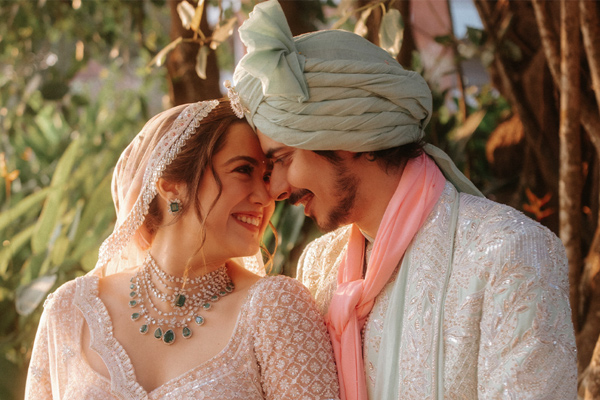
The growing global interest in destination weddings in India is not driven by a single trend. It comes from the country’s rare combination of beauty, culture, hospitality, creative capability and emotional depth.
Couples can host a celebration that feels luxurious without becoming generic, culturally rich without feeling staged and spectacular without losing its intimacy. Their guests are invited not merely to witness a wedding, but to enter a world created around it.
At F5 Weddings, we believe the most memorable destination weddings are those in which the setting and the celebration become inseparable. India offers endless ways to achieve that—from iconic palaces and beaches to unexpected landscapes waiting to be discovered. With thoughtful planning, it does not simply host the wedding. It gives the wedding a character, energy and soul of its own.


